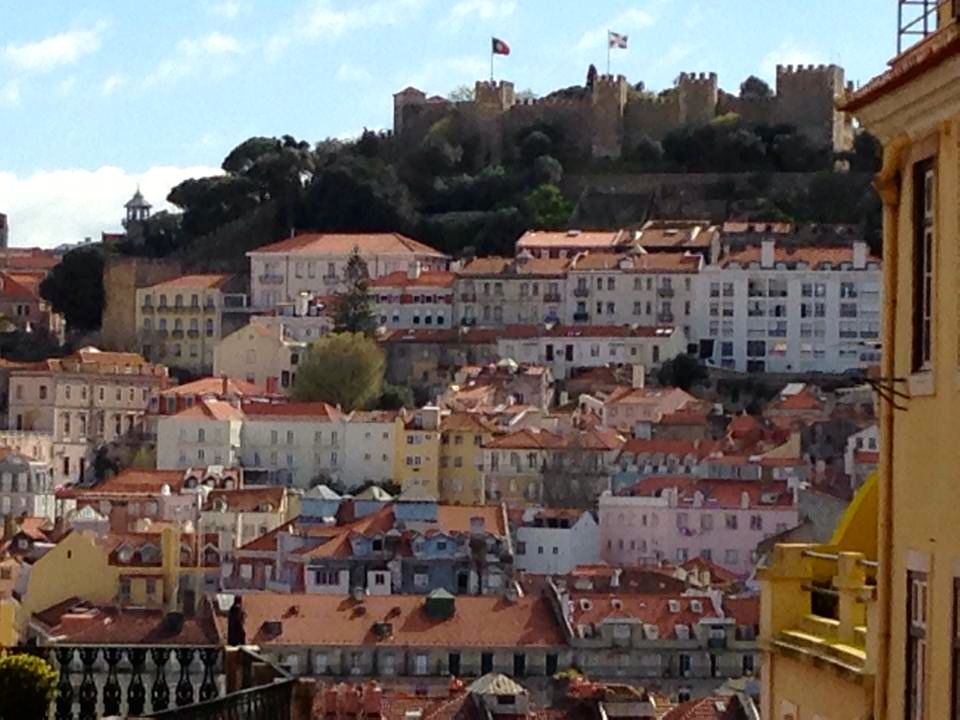
As soon as you set foot on the steep streets of this ancient town, you can’t help but feel lost in time. The slow and quiet pace of its gracious people is a warm welcome to the serene surroundings of what is known to be one of the oldest capitals in Europe.
Although a vibrant city, Lisbon hardly feels like a hectic metropolis. Its clean air and its striking architecture makes it seem more like a small town that has stopped in time to offer you a glimpse of its rich past. The porcelain tiled building façades, intricate cobblestone streets, old lamp posts and the ever so charming streetcars evoke a sense of historical glamour rarely seen these days.
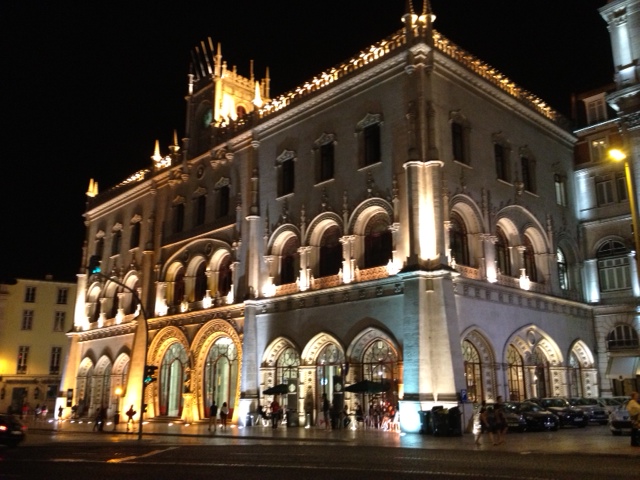
The capital of a country, whose past was at the forefront of naval exploration, Lisbon lies tucked away in western Europe like a rare reliq that only the very fortunate get to enjoy. A maze of narrow streets set on seven hills that border the majestic Tagus river as it merges with the Atlantic ocean. I had only one day to explore this charming, and dare I say rather unpredictable destination.
One minute, I was walking in the heart of downtown up a narrow street and the next, I had reached the top of a downward path surrounded by a landscape filled with old rooftops that led to an amazing river view. At times, the combination of Lisbon’s natural beauty and its old world charm made for a somewhat dreamlike experience – a step back into its ancient past.
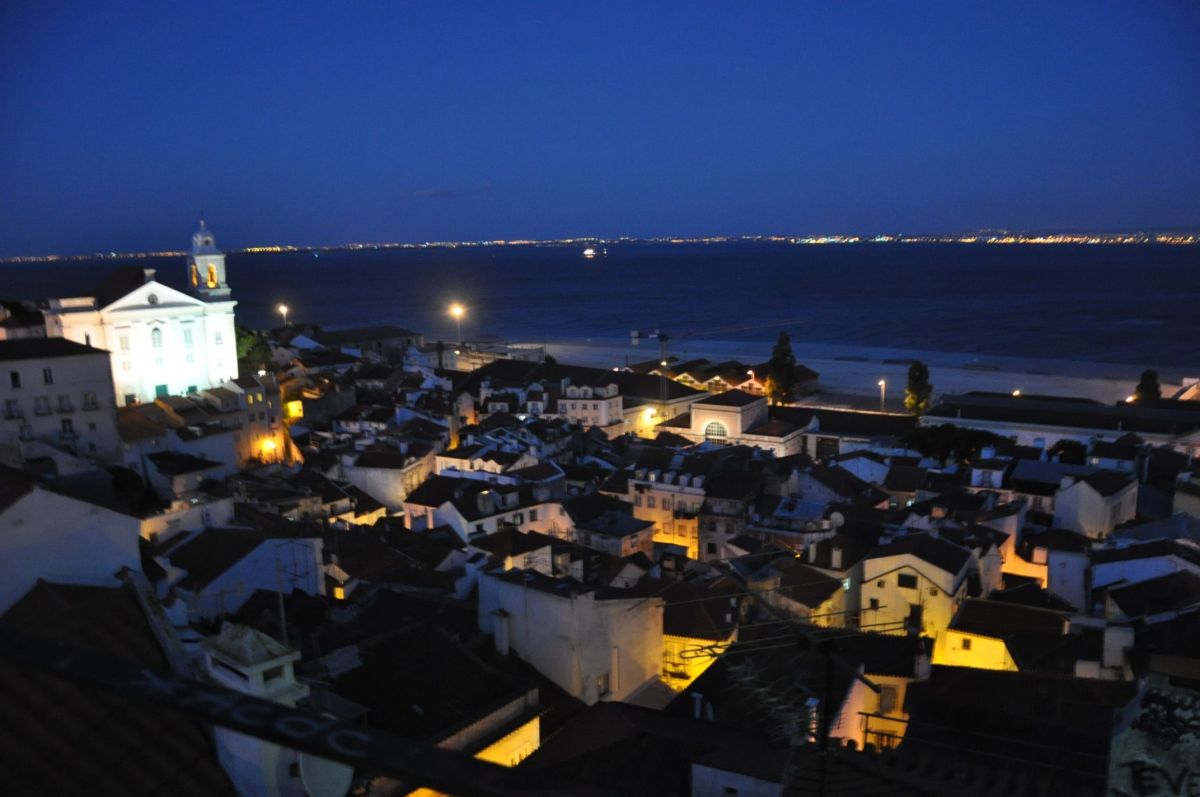
Celts, Phoenetians, Romans,Visigoths and Moors have all left their trace for wherever you look you see remnants of their culture. A great example of Moorish heritage is the castle of Saint George which sits at the top of a hill overlooking the city next to its enigmatic Alfama neighborhood, a true labyrinth of winding streets and old dwellings with balconies that peek over the Tejo river. This ever so bohemian area is always bustling with busy restaurants and bars where Fado, sad ballads about love and abandonment, accompanied by the distinct picking sound of the Portuguese guitar, are played until the wee hours.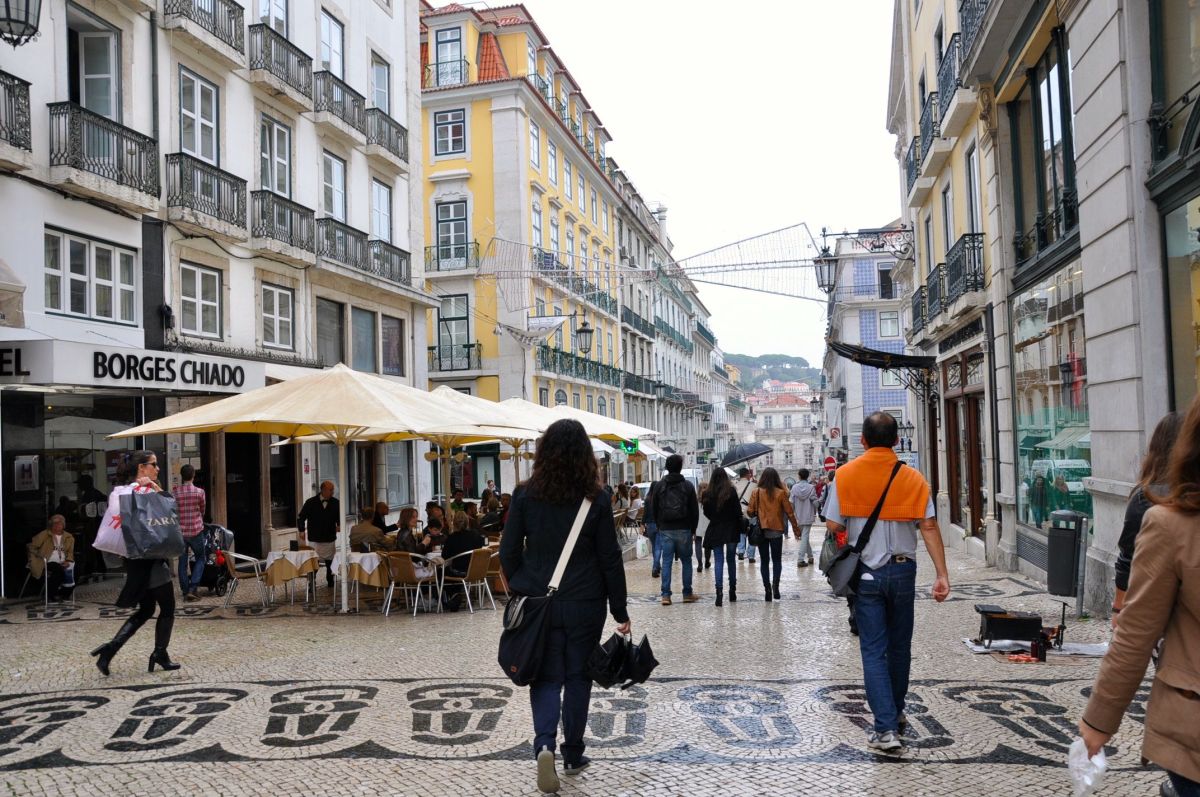
Back in1755, a magnitude 8 earhtquake could not destroy the Castle or Alfama, but did devastate the rest of the city killing over 100,000 people. It was soon after rebuilt giving birth to the Pombaline architectural style named after the Marques de Pombal, prime minister at the time. A combination of roccoco and neo-classic structures line the lovely lush boulevard known as Avenida da Liberdade, the main artery that runs from the Praça do Marques de Pombal to O Chiado, the heart of downtown. Colorful tiled buildings that spring from its sides, reminders of the resilient and laborious character of the Portuguese people. Intricate designs that depict the delicate taste of a culture that revels in the details, determined to enhance beauty wherever it may be found.
That same determination is reflected in their cuisine. Elaborate meals that are presented in a simple fashion, often served in handmade pottery that add a touch of rustic elegance to the many fabulous meat, fish and seafood dishes available, not to mention their delicate desserts.
As I walked down rua São José, I stumbled upon a little restaurant called Zé Varunca, specializing in food from the Alentejo region, south of Lisbon. This quaint eatery was exactly what I was looking for so I chose the local favorite: black pork, the most tender and rich flavored cut of meat from the acorn fed Iberian pig. It was served with a simple garnish of homemade french fries and creamed spinach, enough to make it one of the heartiest meals I’ve ever had. This deliciously moist cut of meat was well paired with a bottle of Alvarinho, a full bodied white wine from the northern region of Portugal. To finish my meal, I ordered a bica – a nice cup of expresso- served on a beautifully hadpainted ceramic tray that I wish I could’ve sneaked into my handbag to bring home as a souvenir. I wouldn’t dare!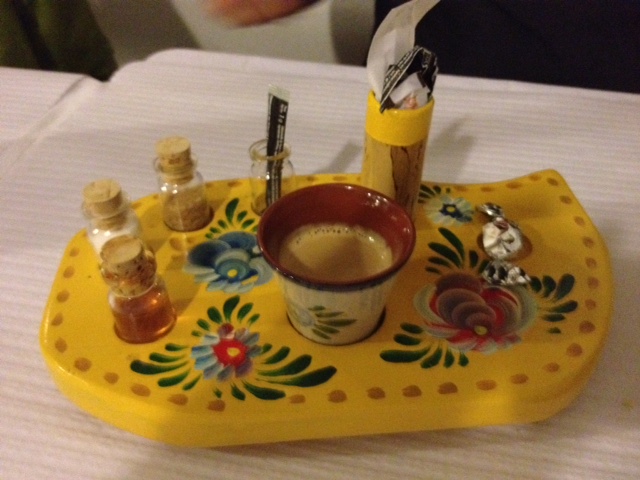
As much as I’d like to have had another cup of coffee and some dessert, little room was left for either. A nice stroll after a meal was all I needed or so I thought . With a pastry shop almost in every corner, the temptation was hard to resist so I had to have another bica, a cultural remnant of Portugal’s colonial ties to Brazil. And of course, how could I not get a taste of the local pastry par excellence: the pastel de nata, a custard filled phyllo cup sprinkled with cinammon and powdered sugar. The original ones come from the nearby district of Belém where they have been made with a secret recipe since 1837.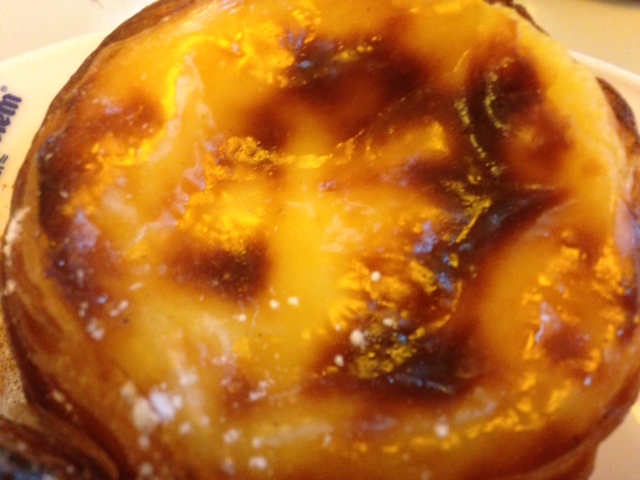
Time for a good nap. But really, do I want to sleep and miss out on more of this lovely town? I could sit at an “esplanada”(outdoor café) and watch people walk by all afternoon if I’d like. I really could! In Portugal, you’re rarely rushed to leave a table no matter where you are, even if you sit for hours with one drink, the check will only come when asked for.
One of the great cafés in Lisbon is A Brasileira, located in Bairro Alto. It first opened in 1905 with the sole purpose of selling ground coffee imported from Brazil. Curiously, the owner offered a free cup of brew for every kilo of ground coffee purchased. Their bica became so popular that a few years later it was turned into a café, becoming a true landmark in Lisbon.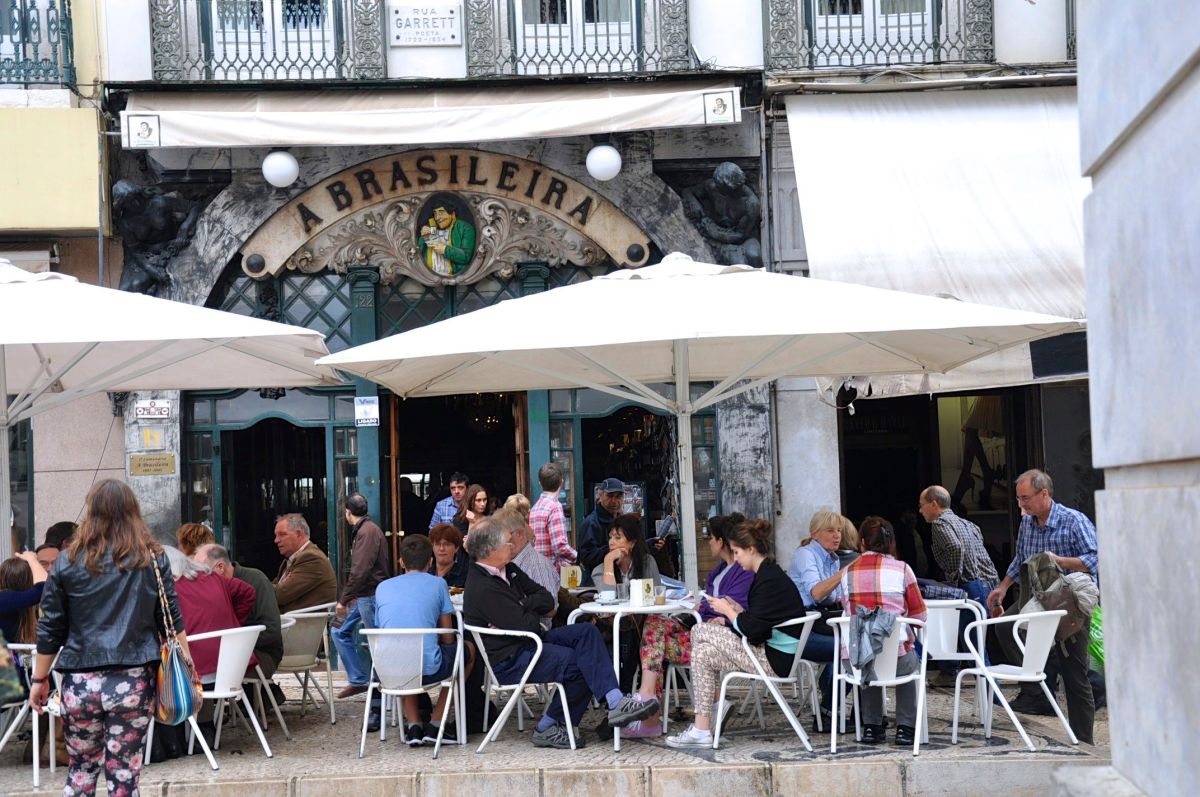
Nowadays, they also serve port wine which I opted to try while listening to some pretty good street musicians who played bossa nova as I watched shoppers crowd bustling rua Garret. Finally, as I got up, I couldn’t help but notice a lovely bookstore across the street : Livraria Bertrand, an old shop that has been selling books since the XVIII century. It also offers a great selection of books in English.
Dinner was not hard to figure out, just hard to decide where. I was fortunate enough to try one of the hippest restaurants in town, O Cantinho do Avillez, run by prominent chef and TV personality José Avillez, a young innovator of the best in Portuguese cuisine.Located on Rua Duques de Bragança 7, this place has an eclectic atmosphere of rustic farmhouse tables and modern decor. Here, I was happy to find the most traditional fare with a twist, old school favorites that were presented in a somewhat lighter fashion without ever compromising texture or flavor such as the Lascas de bacalhau, a generous portion of flaked cod lightly dressed with homemade toasted breadcrumbs, low temperature soft boiled egg and “explosive olives” (submitted to a spherification process to create a gelatinous film that makes them burst into flavor as you bite into them). Another exquisite codfish dish which is an art the Portuguese have mastered like no other. The seared scallps were fantastic too!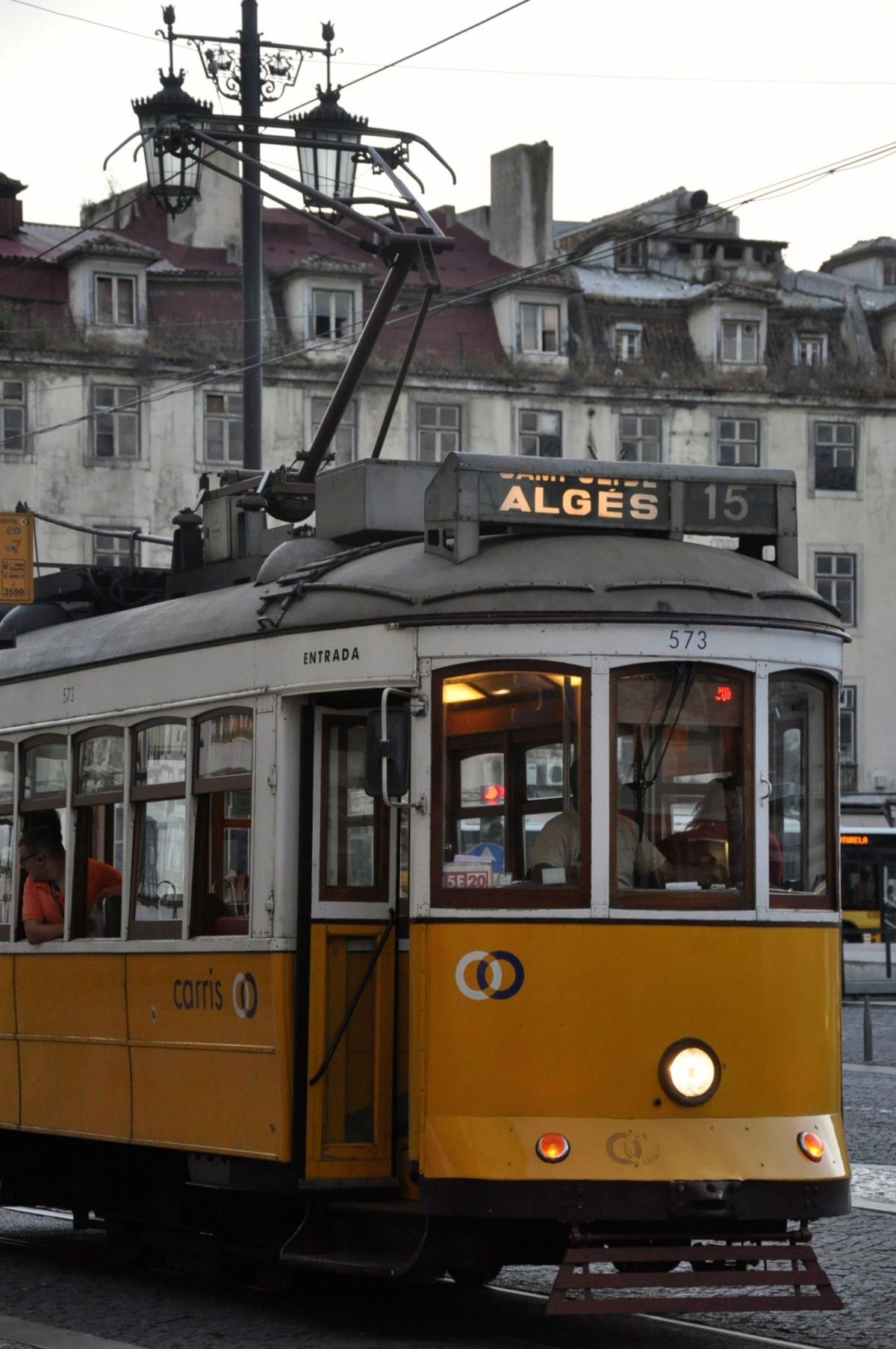
I still had a couple of hours to spare in Lisbon so I went for a walk down rua Dom Pedro V where I came across a place that looked like an old run- down Chinese restaurant. It turned out to be another step back in time: an early XX century bar called O Pavilhäo Chinês: dim lighting and red velvet booths surrounded by floor to ceiling glass shelves holding quirky collectibles of all sorts, from military hats to china dolls, a true concoction of early twentieth century kitch that offered a drink menu with over 100 different cocktails, as well as a great assortment of teas. Apparently, it’s Tony Blair’s favorite bar in Lisbon. Every time he visits Lisbon, he stops by.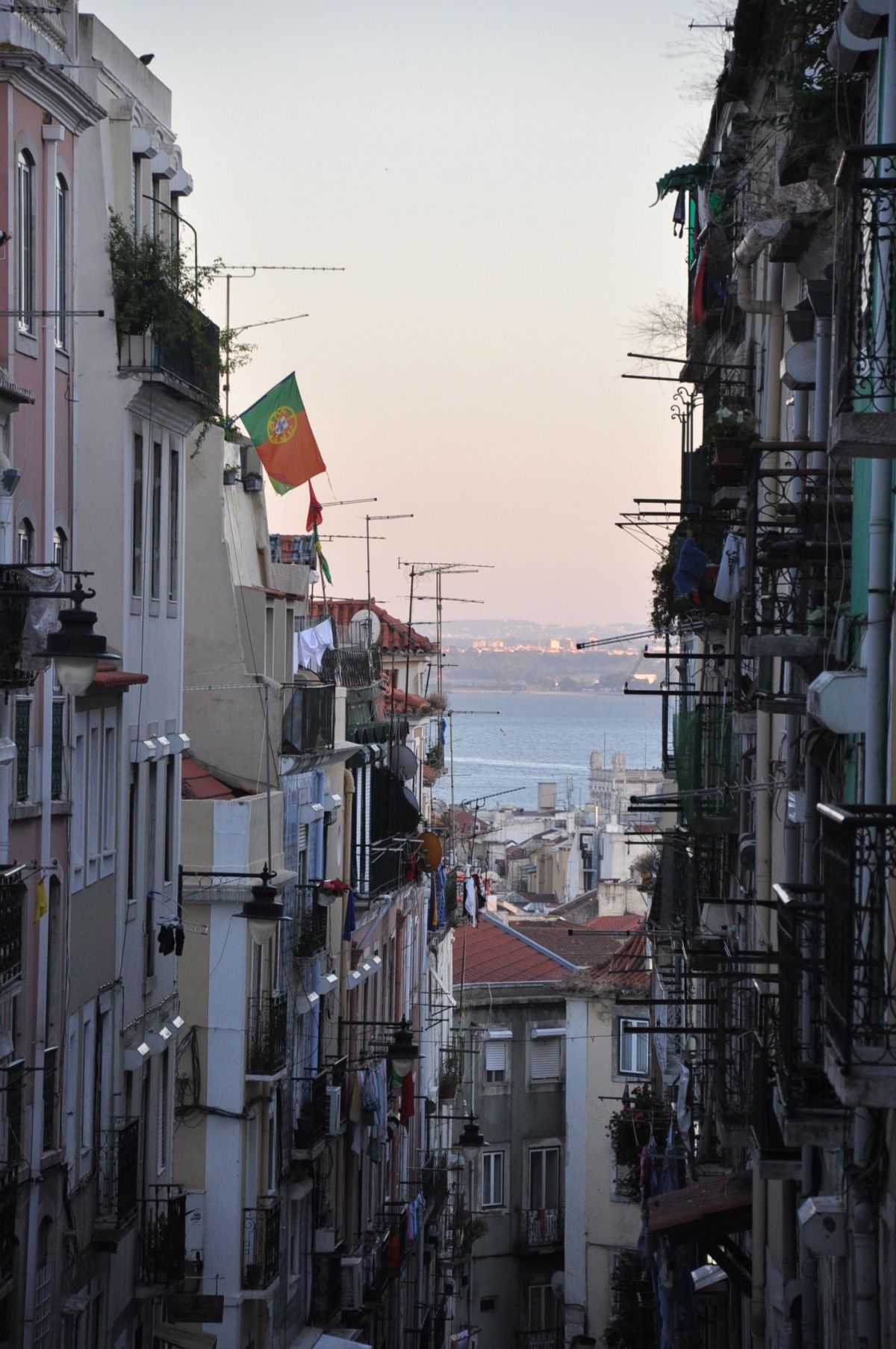
After comfortably sinking into one of the comfy booths and listening to some eighties music for a while, I was quickly reminded by my phone it was time to head back to the airport. As I walked down the dark and quiet street looking for a cab, I couldn’t help but notice the full moon shining over the city from the Jardim de São Pedro de Alcántara, the last memorable glimpse of gorgeous Lisbon and its charming rooftops.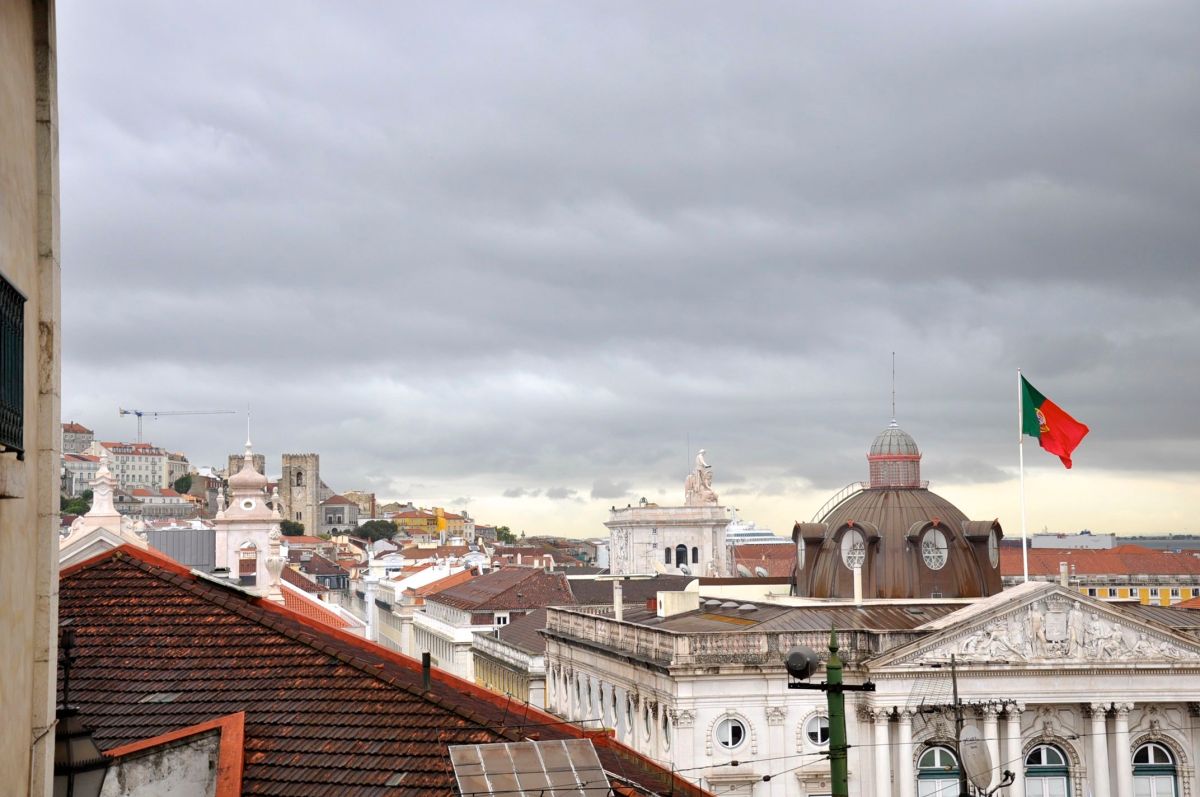
 MARIA IRIONDO